
Technique · July 3, 2026 · 6 min · By Willa Petrakis
Anesthesia for male liposuction: local, sedation, or general?
What decides which anesthesia a surgeon recommends, and what each one feels like.
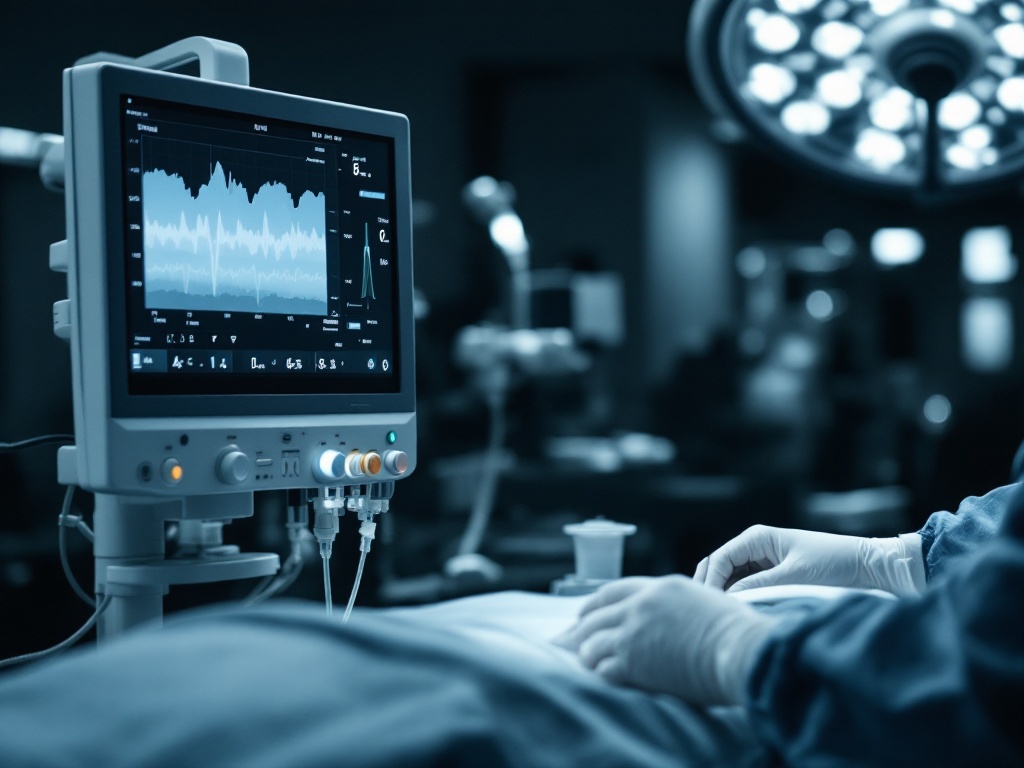
Male liposuction can be performed under local tumescent anesthesia, intravenous sedation, or general anesthesia, and the right choice depends mostly on how many areas are being treated, how fibrous the tissue is, and what the surgeon and facility are equipped to do safely.
Tumescent local anesthesia is the foundation of modern liposuction regardless of which option is chosen. The surgeon infuses the fat layer with a dilute solution of saline, lidocaine, and epinephrine, which numbs the area, firms the tissue for more precise sculpting, and constricts blood vessels to limit bleeding and bruising. For a small, contained area, a chin and neck treatment or a single modest flank pocket, tumescent local alone is often enough, and the patient stays awake and comfortable throughout. StatPearls, hosted by the NIH National Library of Medicine, describes the tumescent technique and its dosing safeguards in detail.
Intravenous sedation, often called twilight anesthesia, layers relaxation on top of the tumescent solution. The patient breathes on his own and is not fully unconscious, but is drowsy, calm, and typically remembers little of the procedure. It suits medium-sized plans, one or two areas treated in a session, for men who want to avoid general anesthesia but would find an hour or more awake on the table unpleasant. Sedation requires monitoring by a qualified anesthesia provider, which is one of the things an accredited facility guarantees.
General anesthesia is the usual recommendation for larger, multi-area contouring, a combined abdomen, flank, and chest plan, or high-definition work that involves long, meticulous sculpting time. Male tissue adds a practical reason: because male fat is dense and fibrous, larger cases can involve more physical work and longer operative time than an equivalent female case, and a fully anesthetized patient allows the surgeon to work efficiently and precisely without watching the clock on patient comfort.
Safety is less about which option is chosen than about who administers it and where. Lidocaine in the tumescent solution has established dosing limits, sedation and general anesthesia require a board-certified anesthesiologist or CRNA, and all of it should happen in an accredited surgical facility with monitoring and emergency equipment. These are the same markers that matter when choosing a surgeon for male body contouring, and a good practice will explain its anesthesia setup without being prompted.
Recovery differs modestly among the three. Men treated under local walk out quickly with the least grogginess; sedation adds a few hours of drowsiness; general anesthesia can mean a day of fatigue and a slightly slower start, though the overall recovery arc of compression, swelling, and staged return to activity is the same regardless.
The practical takeaway is that anesthesia is a planning decision made with the surgeon, not a menu item to shop for. Match the option to the size of the plan, confirm the credentials of the person administering it and the accreditation of the facility, and the anesthesia becomes what it should be: a safety system in the background of a well-run procedure.
Related reading: Why male liposuction is different.